




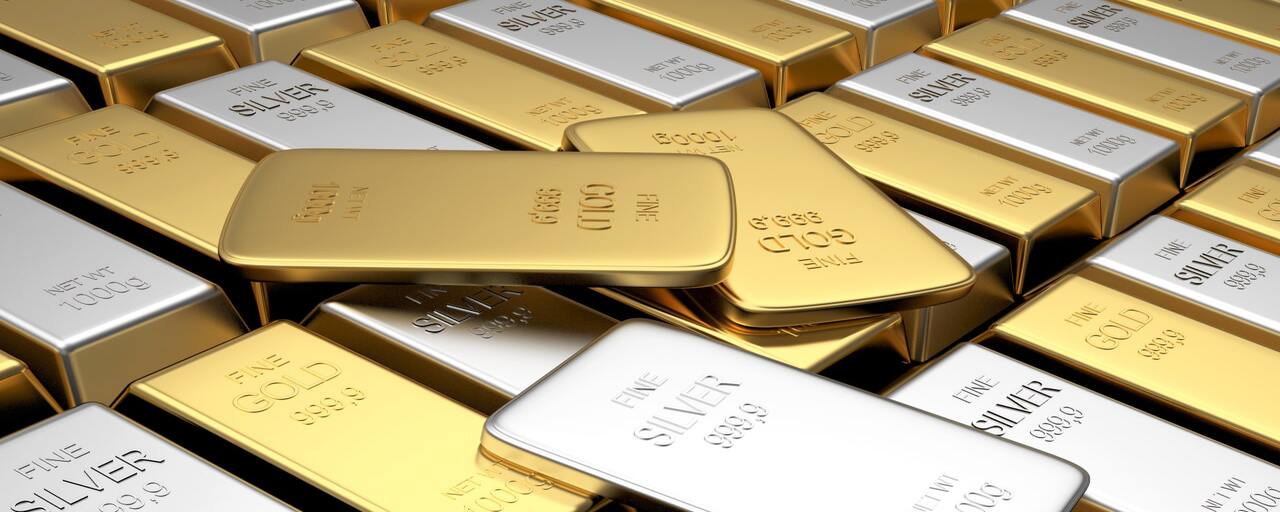
Since ancient times, precious metals are a sign of wealth. They have also been the cornerstone of many global economies. Gold, silver and platinum all have their own unique qualities that allow them to be used for different investments. You can decide on how to use them in your financial plan by understanding their roles.
The guide below will take you through investing basics in three of the most popular metals. Learn about the primary uses of these metals, their values, and how you can include them in your portfolio.
Gold: The Classic Safe Haven
When people consider precious metals, gold is usually the first thing that springs to mind. Gold has been a safe store of value since centuries. It is a good safeguard in times of political instability, economic turmoil and currency devaluation. Gold’s price is not as closely tied to demand for industrial goods, but rather to its value as a financial investment.
Gold is a valuable asset that central banks and governments have in large quantities, which makes it a good hedge against inflation. Investors often seek security in gold when they lose faith in the paper currency or stock markets. This “flight for safety” can cause its price to rise during times of uncertainty.
Why Consider Gold?
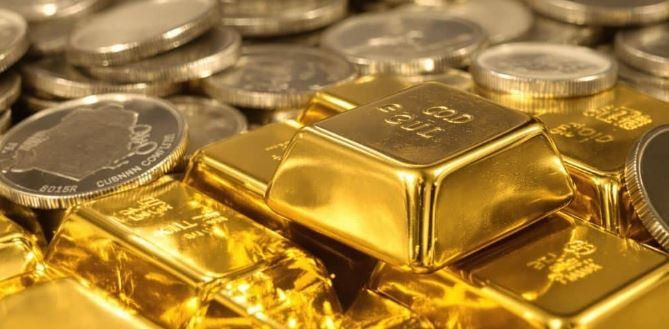
- Protect yourself from inflation: When the value of currency like the U.S. Dollar declines, gold tends to increase or hold its price.
- Diversification of Portfolio: Gold’s price moves independent of stock and bond prices, which makes it a great tool to balance your portfolio.
- An Asset of Great Value: Because of its long-standing history, is a store of value that has a trust level few assets can equal.
Gold has its own disadvantages. Gold does not generate any income, like bonds or stocks. Its price may remain unchanged or fall during long periods of low inflation and economic stability. Investors prefer assets with cash flows.
Silver: The Versatile Hybrid Metal
Silver is often referred to as “the little brother of gold” and plays an important dual role on the market. Silver is both an investment metal and essential industrial material. Its hybrid nature makes its price more susceptible to a wide range of influences than that of gold.
Approximately half of the silver is used in industrial applications. Silver is found in everything from electric cars and solar panels to medical devices and electronics. Silver’s price can therefore be affected by technological advancement and economic growth. Silver’s price can increase when manufacturing and industrial growth is high.
Why Consider Silver?
- Demand for Industrial Products: Silver is a great way to make an investment in this trend.
- More volatility: Because the silver market is smaller, it can experience greater price fluctuations. The volatility can create opportunities to earn higher returns. However, it comes at a greater risk.
- Lower entry point: Since silver is less expensive than gold per ounce, it’s more affordable for smaller investors.
Silver is also more complicated because of its dual identity. Even if investors seek safe havens, an economic slowdown could reduce the industrial demand and put downward pressure on silver’s price. The higher volatility makes it not for those who are frightened by risk, but it is a good investment in the right circumstances.
Platinum: The Rare Industrial Powerhouse
Investors often overlook platinum, which is more rare than gold. Platinum plays an important role in certain industries and is therefore overlooked. The primary application of platinum is catalytic convertors in vehicles that reduce emissions. The automotive industry is the biggest driver of demand for platinum.
Platinum is also used to make medical equipment, lab equipment and high-end jewellery. Platinum’s price can be affected by changes in the automotive industry, environmental regulations and technology advancements.
Another major factor is the supply. The majority of platinum is produced in South Africa and Russia. Its concentration makes it susceptible to strike action by its workers, political instability, and other disruptions which can result in sharp price increases.
Why Consider Platinum?
- Diversification The price of platinum does not always follow the gold and stock markets, giving a portfolio a diverse exposure.
- Potential for Speculation: The reliance of the industry on certain trends, and its vulnerabilities in supply chains creates opportunities for those who closely follow this dynamic.
- Link to Green Technology: Platinum’s use in hydrogen fuel cell technology could be a future driver of demand.
Platinum is often viewed as an industrial holding due to its volatility and focus on industry. It’s not a part of a portfolio that should be the core. Platinum can be a great way to diversify your portfolio, but you need to understand its market dynamics.
How To Invest In Precious Metals
There are many ways you can invest once you have decided on the metal that best suits your needs. There are pros and cons to each method.
- Bullion Physical (Bars and Coins). Owning physical metal is required. You can control the physical metal. You are still responsible for the storage, insurance and sale of your tangible asset.
- Exchange Traded Funds: Precious Metal ETFs trade on an exchange. The funds are intended to follow the metal’s price. They are easy to buy and sell, highly liquid and do not require storage. You don’t actually own any physical metal.
- Mine Stocks: Invest in companies which mine precious metals. Stocks of mining companies that perform well could produce returns greater than the price of metals themselves. This method comes with additional risks such as business issues like management, operations, or market competition.
- E Certificates: This certificate represents ownership over a certain amount of metal that is held by an institution. These certificates offer you direct ownership, without having to worry about storage. However, they require that you trust the institution issuing the certificate to manage and secure the metal for your benefit.
Final Thoughts
No one precious metal is “best” for all investors. Silver is a safe and stable metal, while gold offers stability and growth in the industrial sector. Platinum provides an edge for speculators tied to manufacturing and technology.
Consider your financial goals and your risk tolerance before investing. Also, think about the roles you would like these assets to have in your portfolio. A small investment in precious metals is a great way to diversify and hedge against uncertainly. Understanding the characteristics of each metal will help you make more informed decisions and create a strategy that is more robust.